Promoting Community Wellness Through Volunteer Engagement
Community wellness depends on more than just healthcare services or infrastructure. It thrives when people come together, share their time, and support one another. Volunteer engagement plays a crucial role in building stronger, healthier communities by fostering connection, addressing local needs, and encouraging active participation. This post explores how volunteer efforts promote wellness, practical ways to get involved, and the benefits that ripple through neighborhoods.
Why Volunteer Engagement Matters for Community Wellness
Volunteering creates a foundation for community wellness by:
Building social connections: Volunteers meet neighbors, form friendships, and reduce social isolation.
Addressing local challenges: Volunteers help with food distribution, tutoring, environmental cleanups, and more.
Encouraging healthy habits: Activities like community gardening or group walks promote physical health.
Boosting mental well-being: Helping others increases purpose, reduces stress, and improves mood.
Strengthening community resilience: Engaged communities respond better to crises and changes.
Research shows that communities with higher volunteer rates tend to have lower crime, better health outcomes, and stronger economic growth. When people invest their time in others, they create a positive cycle of support and improvement.
Types of Volunteer Activities That Enhance Wellness
Volunteering can take many forms, each contributing to wellness in unique ways. Here are some common activities that have a direct impact on community health:
Food Security Initiatives
Volunteers help run food banks, organize meal deliveries, or support community kitchens. These efforts ensure that vulnerable populations have access to nutritious food, which is essential for physical health.
Environmental Projects
Community cleanups, tree planting, and recycling drives improve the local environment. Cleaner, greener spaces encourage outdoor activity and reduce pollution-related health issues.
Educational Support
Tutoring, mentoring, and after-school programs help children and adults gain skills and confidence. Education is linked to better health literacy and long-term wellness.
Health and Wellness Programs
Volunteers assist in organizing health screenings, fitness classes, or mental health workshops. These programs provide resources and education that empower individuals to take charge of their health.
Social Support and Companionship
Visiting seniors, supporting people with disabilities, or running community events reduce loneliness and build social networks. Strong social ties are key to emotional well-being.
How to Encourage Volunteer Engagement in Your Community
Increasing volunteer participation requires thoughtful strategies that make it easy and rewarding for people to get involved.
Make Opportunities Visible and Accessible
Use community bulletin boards, local newsletters, and online platforms to share volunteer needs.
Offer flexible schedules and roles to accommodate different lifestyles.
Provide clear descriptions of tasks and expected time commitments.
Build Partnerships with Local Organizations
Collaborate with schools, religious groups, and nonprofits to reach diverse audiences.
Host joint events that showcase volunteer opportunities.
Share resources like training and materials to support volunteers.
Recognize and Celebrate Volunteers
Publicly thank volunteers through awards, social media shout-outs, or appreciation events.
Highlight stories of impact to inspire others.
Offer small incentives such as certificates or discounts at local businesses.
Provide Training and Support
Equip volunteers with the skills and knowledge needed for their roles.
Create a welcoming environment where questions and feedback are encouraged.
Assign mentors or team leaders to guide new volunteers.
Foster a Sense of Community
Organize social gatherings for volunteers to connect beyond their tasks.
Encourage teamwork and shared goals.
Promote the idea that volunteering benefits everyone involved.
Real-Life Examples of Volunteer Engagement Improving Wellness
Community Garden in Detroit
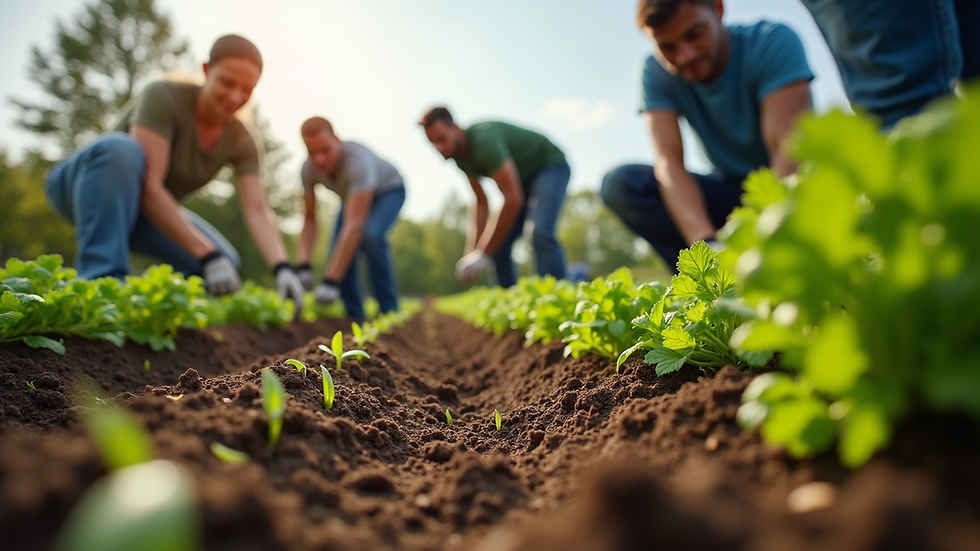
A neighborhood in Detroit transformed a vacant lot into a thriving community garden. Volunteers planted vegetables, maintained the space, and hosted workshops on nutrition. This project increased access to fresh produce, encouraged physical activity, and created a gathering place that strengthened social bonds.
Senior Companionship Program in Portland
Volunteers in Portland visit homebound seniors weekly, providing companionship and assistance with errands. Participants report feeling less isolated and more connected, while volunteers experience increased happiness and purpose.
Youth Mentoring in Chicago
A mentoring program pairs high school students with adult volunteers who provide academic support and career guidance. The program has improved graduation rates and boosted students’ confidence, contributing to their overall well-being.
Benefits of Volunteer Engagement for Individuals and Communities
Volunteering offers rewards beyond the immediate impact on the community. Here are some benefits for both volunteers and the places they serve:
For Volunteers
Improved mental health through a sense of purpose and accomplishment.
Opportunities to learn new skills and gain experience.
Expanded social networks and friendships.
Increased physical activity depending on the role.
Greater understanding of community needs and diversity.
For Communities
Enhanced social cohesion and trust among residents.
Increased capacity to address local problems.
Improved public spaces and resources.
Stronger support systems for vulnerable groups.
Greater civic participation and pride.
How to Start Volunteering Today
If you want to contribute to community wellness through volunteering, here are some steps to get started:
Identify causes you care about, such as health, education, environment, or social support.
Research local organizations or groups that align with your interests.
Reach out to inquire about volunteer opportunities and requirements.
Attend orientation or training sessions to prepare.
Commit to a schedule that fits your availability.
Share your experiences to encourage others to join.
Even small commitments can make a big difference. Volunteering connects you to your community and helps build a healthier, more supportive environment for everyone.
Promoting wellness in communities depends on active participation and care from its members. Volunteer engagement creates meaningful connections, addresses critical needs, and fosters healthier lives. By stepping forward to help, you contribute to a stronger, more vibrant community where everyone can thrive. Consider how you can get involved today and be part of the positive change.


Comments